
Make an Appointment
“Where there’s stagnation, there will be pain. Remove the stagnation, and you remove the pain.”
The old Chinese saying holds that pain results from the congestion, stagnation, and blockage of Qi, or vital energy, fluids, lymph, phlegm, and blood. If pain is the essence of disease, then suffering is a result of obstructed or irregular flow in the body. Chinese cupping is therefore a method of breaking up the blockage to restore the body’s natural flow of energy.
Cupping therapy in Sunbury
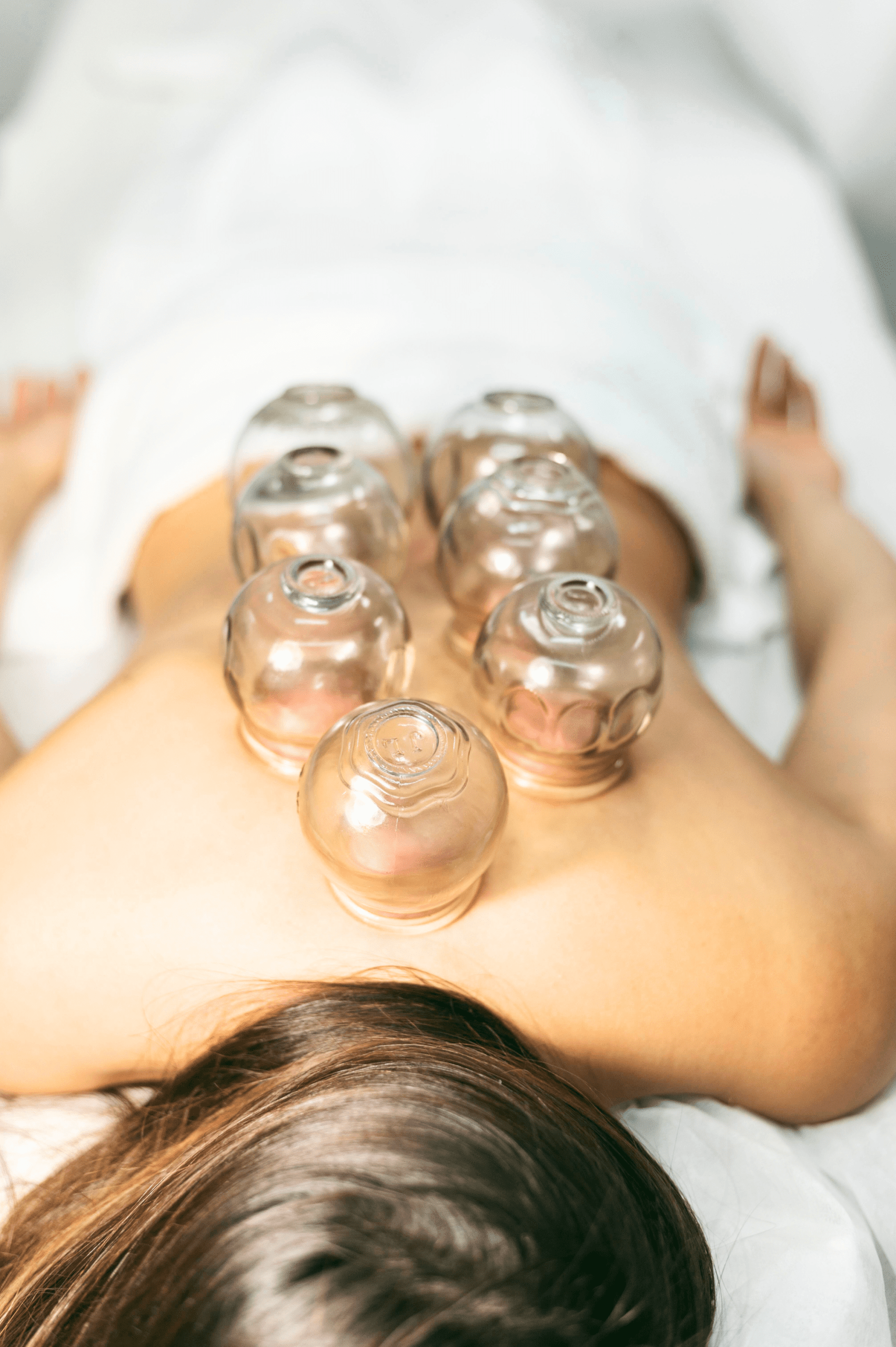
Cupping therapy is a traditional technique used in Traditional Chinese Medicine (TCM). At our Sunbury clinic, small glass cups are applied to the skin to create gentle suction, supporting the body’s natural flow of Qi and circulation along meridian channels.
Cups may be left stationary for 10–15 minutes or moved gently across the skin using gliding or sliding techniques. The suction lifts the skin and superficial muscle layers, creating a unique therapeutic effect.
How cupping therapy may support you
Cupping therapy is a traditional technique used to support the body’s natural function and overall wellbeing. The gentle suction may help relax muscles, encourage circulation, and promote a sense of calm and balance.
The suction and negative pressure provided by cupping may assist with:
Supporting circulation and the natural flow of Qi
Post-exercise recovery and general fatigue
Muscle tension and stiffness
Supporting relaxation of the nervous system
Loosening superficial muscle layers
Muscle soreness following physical activity
Cupping may be combined with other services such as acupuncture or Chinese herbal medicine as part of a personalised Traditional Chinese Medicine treatment plan.
What to expect
Cupping is generally described as a relaxing sensation. Many patients compare it to the opposite of massage; rather than applying downward pressure, the cups gently lift the tissue.
After treatment, temporary marks or mild redness may appear where the cups were applied. These are common and typically fade within 5–10 days.
Possible side effects
Side effects are generally mild and may include:
Temporary bruising or discolouration
Mild discomfort during treatment
Rarely, minor skin irritation or superficial burns
Your practitioner will explain what to expect and ensure your comfort throughout the therapy.
Experience the Benefits of Cupping Therapy
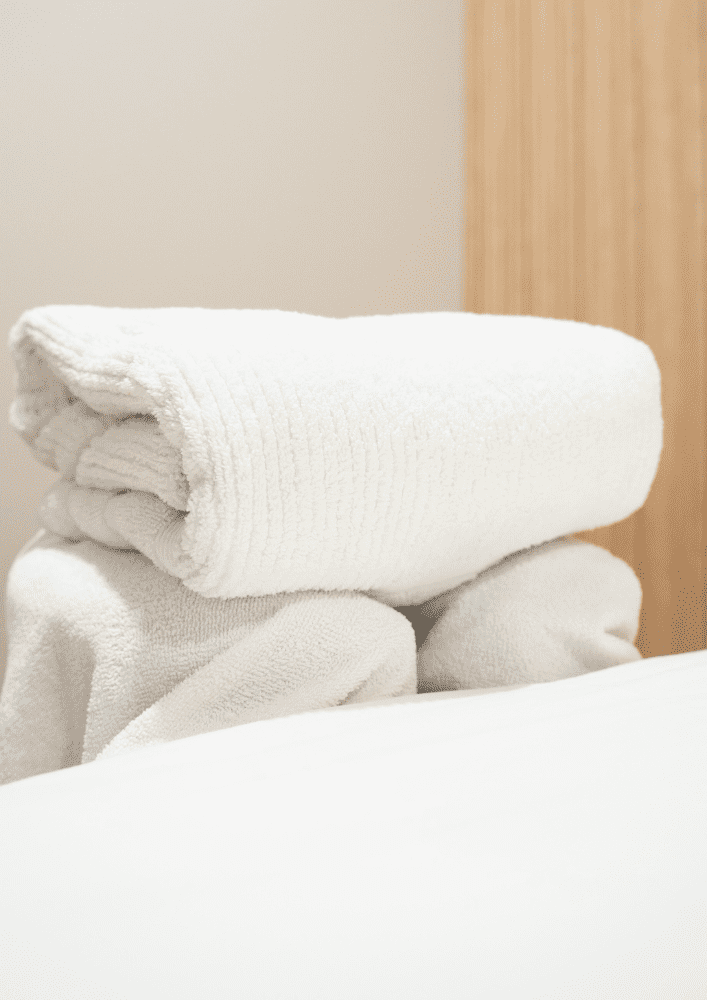
At Sunbury Chinese Medicine Clinic, our practitioners provide patient-centred cupping therapy tailored to your individual needs. Each session is designed to support relaxation, encourage circulation, and promote overall wellbeing within our calm, purpose-built clinic.
All practitioners are qualified and regulated by the Australian Health Practitioner Regulation Agency (Ahpra), practising to national healthcare standards.
Appointments are available seven days a week. Call our team or book online at any time.
Make an Appointment
Traditional Chinese Medicine (TCM) is a complementary therapy. Individual results may vary. TCM is not intended to replace conventional medical advice.
Ancient Therapy
Traditional Chinese medicine brings to mind acupuncture and the use of natural herbs as healing remedies. Cupping is a lesser-known treatment that is also part of Traditional Chinese medicine, one that can provide an especially pleasant experience.
One of the earliest documentations of cupping can be found in the work titled A Handbook of Prescriptions for Emergencies, which was written by a Taoist herbalist by the name of Ge Hong and which dates all the way back to 300 AD. An even earlier Chinese documentation, three thousand years old, recommended cupping for the treatment of pulmonary tuberculosis.
In both Eastern and Western cultures, cupping evolved from shamanistic practices that held the belief that illnesses and infirmities can be sucked out of the body.
Cupping was established as an official therapeutic practice in the 1950s across hospitals in China after research conducted by Chinese and former Soviet Union acupuncturists confirmed cupping’s effectiveness.
Traditional texts describe cupping as a method to support health and wellbeing. These historical uses are for educational context and not claims about modern therapeutic outcomes